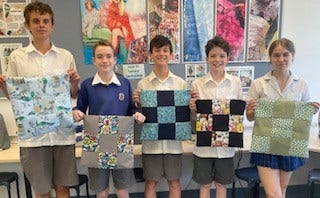
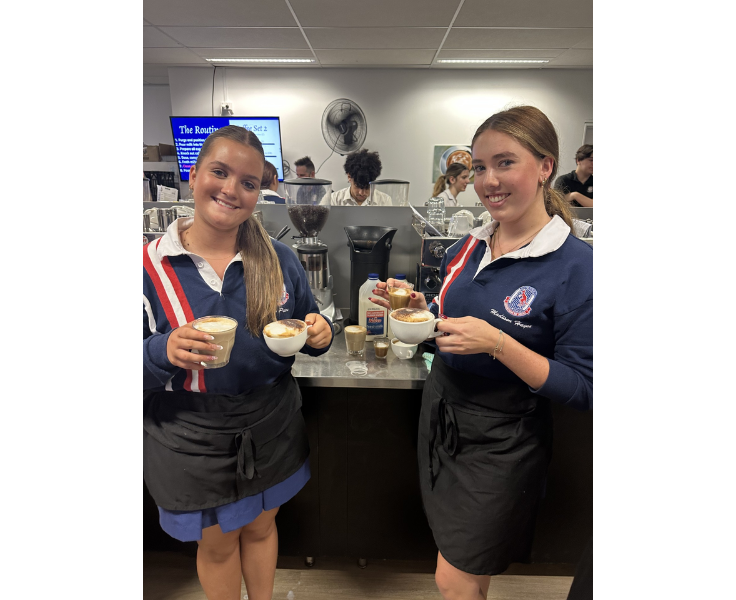
At Port Hacking High School, the TAS Home Economics faculty empowers students to understand and shape their world through practical, creative and purposeful learning in both Food and Textiles Technologies. Grounded in design processes and real-world problem-solving, our programs develop students’ confidence, independence and wellbeing by building essential life skills, nutritional knowledge, consumer awareness and foundations in textile design and construction. Through hands-on experiences and thoughtful exploration of materials, tools and technologies, students learn to make informed choices that enhance their quality of life in homes, workplaces and communities.
Stage 4
In the junior years, students build essential life skills through practical experiences in food preparation, nutrition, safety, consumer decision-making and introductory textiles. Learning is anchored in creativity, resourcefulness and developing a strong foundation in healthy habits and responsible choices.
Stage 5
Students can select from Food Technology, Textiles Technology, and Child Studies, each offering rich, practical learning pathways. In Food Technology, students explore food properties, food processing, catering, nutrition, and food-related laws while developing confidence in preparing and presenting food. Textiles Technology expands students’ understanding of fibres, fabrics and design processes through engaging project-based construction tasks. Child Studies allows students to explore factors that influence the development and wellbeing of children, applying their knowledge to authentic, real-world contexts.
Stage 6
Senior students may specialise through Food Technology, Textiles and Design, Community and Family Studies (CAFS), or VET Hospitality - Food & Beverage. These courses allow students to deepen their expertise in human nutrition, food production, societal influences on health, advanced textile design and construction, and the skills required for work in the hospitality industry. Students critically analyse contemporary issues, refine their practical capabilities and apply their learning to real and emerging challenges, preparing them for further study or careers in fields such as health, food science, design, education and hospitality.
See below link for further information.